
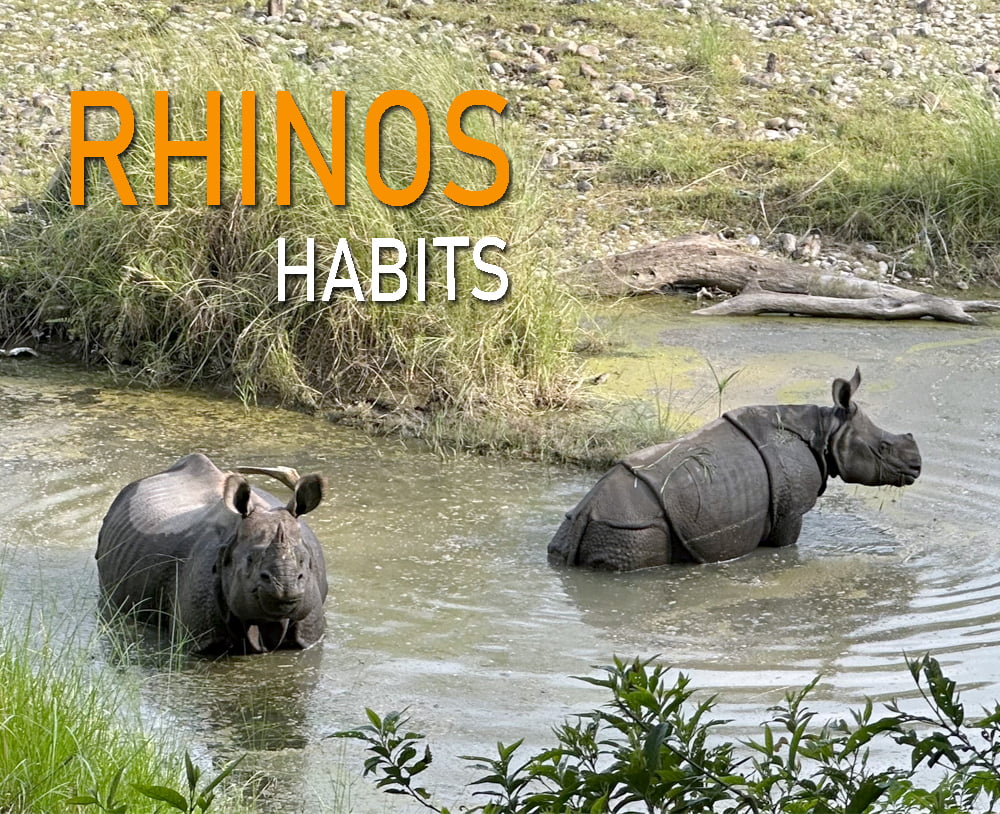
There are two possible meanings of the word rhino. One meaning is a short form of rhinoceros, which is a large, herbivorous mammal with thick, gray skin and one or two horns on its nose. There are five species of rhinos, and they live in Africa and Asia. Some of them are endangered due to habitat loss and poaching. You can see some images of rhinos.
Another meaning is a prefix that relates to the nose, such as in the words rhinoplasty (a surgery to reshape the nose) or rhinitis (an inflammation of the nose). The prefix comes from the Greek word rhis, which means nose. You can learn more about the origin and usage of the word rhino.
Rhino census 2021: Nepal conducted a national rhino count from March 22 to April 10, 2021, covering four national parks and their buffer zones. The census involved more than 350 personnel and 57 elephants.
Rhino population growth: The census results showed that Nepal’s rhino population has risen to 752, from 645 in 2015, a 16% increase. This is a positive milestone for the conservation of the greater one-horned rhino, which is classified as vulnerable by the IUCN.
Rhino conservation challenges: The census faced some difficulties, such as a wild elephant attack and a tiger killing an elephant trainer. The rhino population growth has also slowed down compared to the previous period, due to natural deaths, flooding, and poaching. Moreover, the increasing rhino and tiger populations pose a challenge for habitat management and human-wildlife conflict mitigation.
Rhino conservation strategies: Nepal has adopted strict anti-poaching measures, community engagement, and habitat protection to conserve its rhinos. The WWF has suggested that Nepal could offer more compensation and crop insurance to villagers living near the parks, or donate some rhinos to other countries that want to revive their populations.
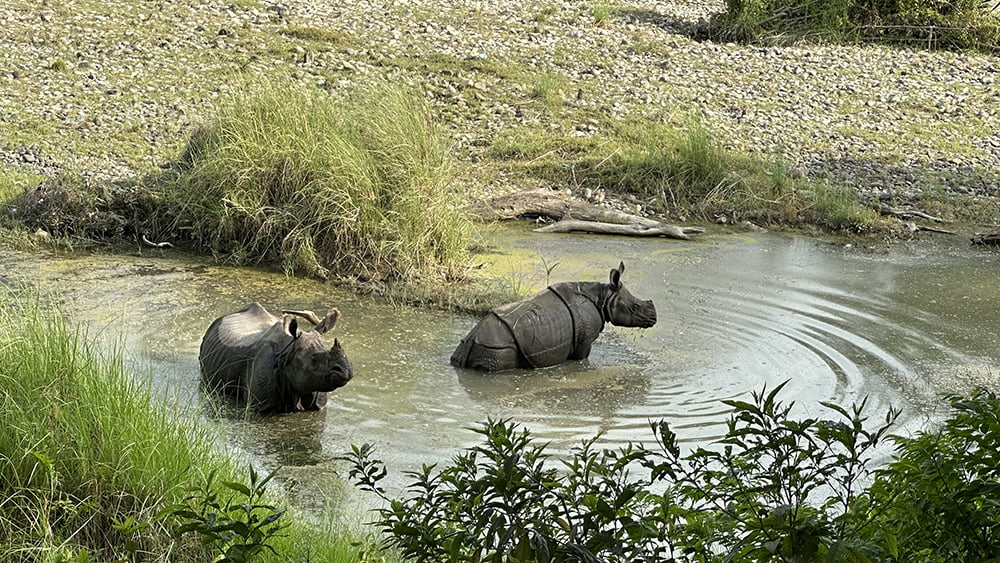
Rhino population in Nepal: According to a BBC news article, Nepal’s rhino population has risen to 752, from 645 in 2015, which is a sign of conservation success. The rhinos are counted every five years in Nepal’s wildlife sanctuaries, where they face threats from habitat loss, human-wildlife conflict, and poaching.
Rhino habitats and characteristics: The greater one-horned rhinos are restricted to less than a dozen protected areas in north and north-eastern India and southern Nepal. They have thick, gray skin and a single horn that can grow up to 60 cm long. They are herbivorous and can weigh up to 2,500 kg. They are also known as Indian rhinos or Asian one-horned rhinos.
Rhino conservation efforts: There are only around 3,700 greater one-horned rhinos left in the wild, and their status has improved from endangered to vulnerable. Nepal is among the few countries that have successfully increased their rhino numbers through anti-poaching measures, translocation programs, and community involvement. Nepal also celebrates World Rhino Day on September 22 every year to raise awareness and support for rhino conservation.
Rhino tourism and culture: Nepal offers opportunities for tourists to see rhinos in their natural habitats, such as in Chitwan National Park and Bardiya National Park. Rhinos are also revered in Nepali culture and mythology, and are considered as the “Royal Animal” of Nepal. They are celebrated in songs, stories, and festivals.
