
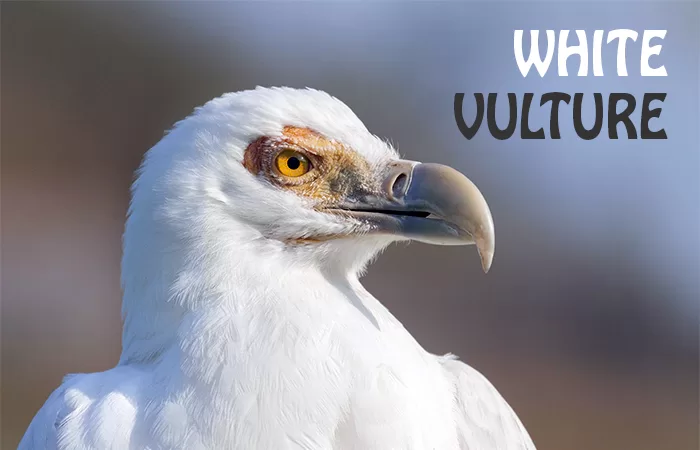
A white vulture is a common name for the white-backed vulture, a type of Old World vulture that is native to Africa. It has a dark-brown face, a long white neck, and a white back that is visible when it flies. It feeds mainly on carrion, especially from large mammals, and can eat up to 10% of its body weight in one meal. It is an endangered species due to habitat loss, poisoning, and human persecution.
Some additional facts about the white vulture are:
It can reach a wingspan of up to 7.5 feet and a weight of up to 16 pounds.
It is very social and often roosts and feeds in large groups of up to 100 birds.
It breeds once a year and lays a single egg in a nest made of sticks and bones on a tall tree.
It has a bald head that helps it regulate its body temperature and stay clean while eating.
It is the most common and widespread vulture in sub-Saharan Africa.
White vulture in Nepal
The most common and widespread vulture in Nepal is the white-rumped vulture, which is critically endangered due to diclofenac poisoning and other threats. Nepal has recently launched a new Vulture Conservation Action Plan (2023-2027) to restore and protect its vulture population.
387 vultures were found at Gandaki Province Pokhara, Nepal. Its surrounding areas, according to a vulture census recently conducted by Pokhara Bird Society. The Society has been conducting a vulture census in Pokhara and its surrounding areas every 10 years.
Pokhara Bird Society Chairman Manasant Ghimire told that vultures were counted at surrounding areas of Pokhara, Ghachowk, Pumdibhumdi, old and new landfill sites, Dobhilla as well as Shishuwabhateri, of Byas municipality-10 and Cow Conservation Centre of Shuklagandaki municipality of Tanahu, Damauli-based landfill site this year.
The vultures are on the verge of extinction due to encroachment in their habitat in recent periods. The habitat of vultures is at risk due to rampant urbanization in the surrounding areas of Pokhara. A large number of vultures were used to be found at different places of Pokhara including Chauthe, Majheripatan, Biruwa and Gairikhet around 15-16 years ago, but the vultures have disappeared from these places these days.
